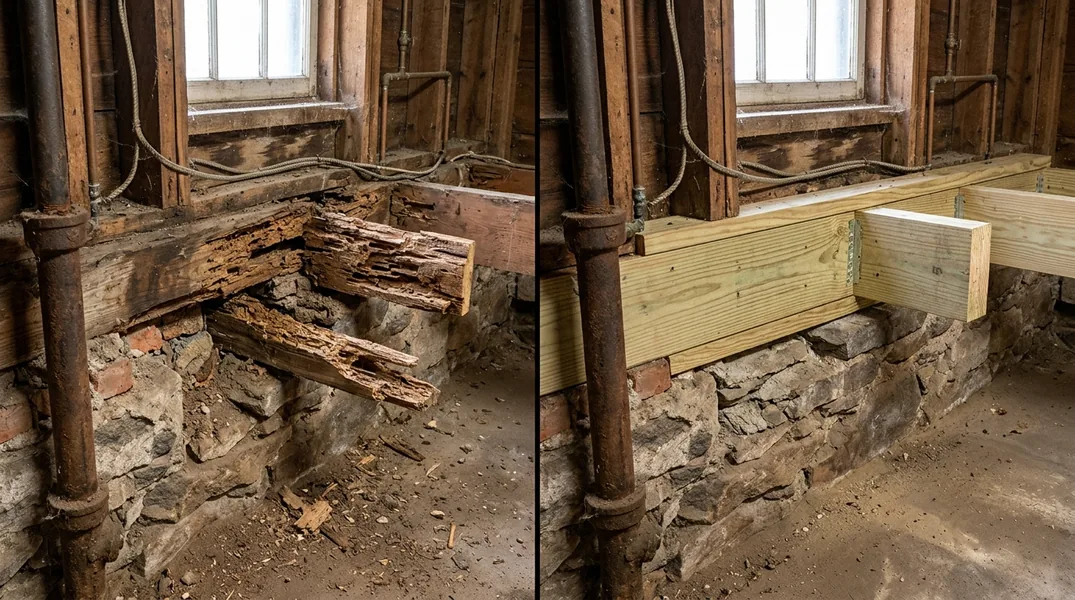
Why Springfield's Climate and Architecture Create the Perfect Storm for Wood Damage
Springfield sits in a region where weather extremes and older housing stock combine to create ideal conditions for wood-destroying insects and fungi. The New England climate brings heavy spring rains, humid summers, and freeze-thaw cycles in winter that constantly stress wooden structures. This moisture penetration is the root cause of most wood damage problems homeowners face.
Many homes in Springfield were built before modern moisture barriers and ventilation standards were common. These older structures have wood framing, sills, and joists that were never treated with the protective coatings we use today. When water finds its way into walls, attics, crawl spaces, or basements, it creates an environment where wood-destroying organisms thrive. The combination of moisture, moderate temperatures, and untreated wood is essentially an all-you-can-eat buffet for carpenter ants, termites, and wood-rot fungi.
Understanding Wood Rot: The Silent Destroyer
Wood Rot & Dry Rot Repair is one of the most common services we perform because wood rot develops quietly and often goes unnoticed until significant structural damage has occurred. Wood rot happens when fungi colonize wood fibers, breaking down the cellulose that gives wood its strength. Unlike carpenter ants or termites, which you might eventually spot, wood rot can progress for years inside walls, floor joists, and support beams without any obvious signs on the surface.
The signs of wood rot include soft spots when you press on wood, a musty odor in basements or crawl spaces, discolored or darkened wood, and visible fungal growth that looks like mushrooms or white cottony patches. If you notice your floors feeling spongy or doors and windows sticking more than usual, wood rot in structural members may be to blame. The danger is that by the time you see obvious signs, the damage has often spread deep into the frame. This is why regular inspections, especially after wet winters or if you've had any water intrusion, are so important for homeowners in this region.
Carpenter Ants vs. Termites: Know the Difference
Carpenter ants and termites both cause serious structural damage, but they work in very different ways. Carpenter ants tunnel through wood to create galleries where they nest, but they do not eat the wood. Termites, on the other hand, actually consume wood as food, which means they can cause damage much more rapidly. Both are common in Massachusetts, and both are attracted to moisture-damaged or damp wood. If you see sawdust-like frass (insect droppings) near wood, or find hollow-sounding wood, you may have either pest.
The key difference in damage patterns is that carpenter ant galleries are typically clean and smooth inside, while termite damage often leaves behind mud tubes and a more honeycomb appearance. Homeowners in West Springfield and surrounding areas should know that once either pest establishes itself, the damage accelerates quickly. A small infestation can become a major structural problem within a few years. If you suspect carpenter ants or termites, do not wait. Contact Springfield Carpentry at (413) 288-3982 for a professional inspection, or request a free estimate to understand the scope of the problem.
How Moisture Invites Both Rot and Pests Into Your Home
Water is the common denominator in almost every wood damage scenario. Whether it is a roof leak, poor grading around the foundation, blocked gutters, or plumbing leaks inside walls, moisture creates the conditions that fungi and insects need to thrive. Carpenter ants are particularly attracted to damp wood because it is softer and easier to tunnel through. Termites need moisture to survive and will not establish colonies in dry wood. Wood rot fungi require constant moisture to grow and spread.
Prevention starts with moisture control. Keep gutters clean and ensure downspouts direct water at least four to six feet away from your foundation. Check your roof regularly for missing or damaged shingles, and inspect basement and crawl space walls for signs of water seepage. Ensure your attic has proper ventilation to prevent condensation. If you have had any water damage, even minor basement flooding or a small roof leak, address it immediately. Wet wood that is left unaddressed for even a few weeks can begin to show signs of rot. If you are concerned about moisture in your home or have already spotted soft wood, contact Springfield Carpentry for an assessment.
Signs of Wood Rot and Pest Damage: What to Look For
Early detection is your best defense against expensive structural repairs. Signs of wood rot include wood that feels soft or spongy when you press on it, discoloration that appears brown or grayish, a strong musty smell, and visible fungal fruiting bodies that resemble small mushrooms. In basements and crawl spaces, look for wood that appears darker than normal or has a wet appearance even when the area is not actively leaking.
For carpenter ant damage, look for small piles of fine sawdust near baseboards, in crawl spaces, or around window frames. You might also see the ants themselves, particularly large black ants marching in and out of wood. Termite damage is trickier to spot because the insects often work inside the wood, leaving only a thin outer shell. Mud tubes running up foundation walls or concrete piers are a classic sign of termite activity. Any of these warning signs warrant a professional inspection. Springfield Carpentry has the expertise to identify damage you might miss and recommend the right repair approach, whether that is Wood Rot & Dry Rot Repair, Termite Damage Repair, or Floor Joist & Subfloor Repair.
Professional Repair and Prevention: Your Next Steps
Once wood damage is identified, the repair approach depends on the extent and location of the damage. Minor surface rot can sometimes be treated and sealed. Structural damage to joists, beams, or load-bearing walls requires more extensive work. In severe cases, Beam Replacement & Load-Bearing Wall Removal may be necessary to restore the integrity of your home. This is not a DIY project. Improper repairs can compromise your home's safety and resale value.
After repairs are complete, prevention is essential. Maintain proper drainage around your foundation, keep gutters clear, ensure good attic and crawl space ventilation, and address any water intrusion immediately. Regular inspections, especially in older homes or after severe weather, can catch problems early when they are cheaper and easier to fix. If you live in Springfield or nearby communities and are concerned about wood rot, carpenter ants, or termites, do not hesitate to reach out. Springfield Carpentry offers thorough inspections and honest assessments. Call (413) 288-3982 or visit our website to request a free estimate today. We serve the entire Springfield area and are ready to protect your home's structural integrity.
Looking for a professional carpentry contractor in Springfield? Springfield Carpentry responds fast for all your carpentry needs.
Get a Free QuoteOur services: Wood Rot & Dry Rot Repair · Termite Damage Repair · Floor Joist & Subfloor Repair