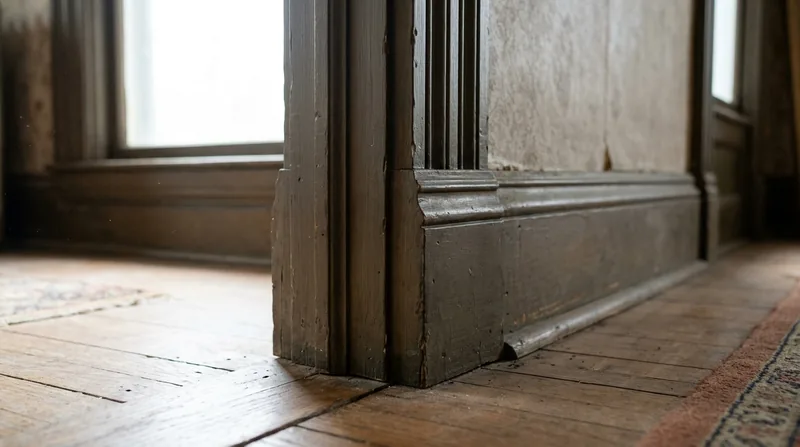




Springfield's residential neighborhoods span nearly two centuries of building styles, from the Victorian Queen Annes and Stick-style homes that define McKnight to the wood-frame three-deckers stacked along the South End and Indian Orchard, down to the postwar capes and ranches across Sixteen Acres. Every one of those houses has interior trim, casings, baseboards, and often crown molding or wainscoting that sets the character of its rooms. Finish & Trim Carpentry in Springfield means the work that makes a house feel like home: tight miters at corners, scribed baseboards that follow uneven plaster walls, custom door casings that frame an entry, and crown molding that ties a room together. We handle that work for homeowners who want it done right, with the same carpenters on every job, not rotating crews or franchised labor. If your home's trim is damaged, outdated, or simply missing, we can restore or install it to match the period of your house and the standard you expect.
Why Finish & Trim Carpentry Matters in Springfield's Older Homes
Springfield's housing stock is old, and old houses have old trim. Victorian casing around interior doors is thinner than modern stock and often hand-planed. Three-decker porches have custom railings and trim details that no big-box store carries. Colonial Revival homes in Longmeadow and Wilbraham have wainscoting and chair rails in their dining rooms and hallways. When that trim splits, warps, or simply wears out, replacing it with standard milled trim misses the point. Finish carpentry is about matching what was there, understanding how the house was built, and making new work look like it belongs.
- We scribe baseboards to follow the contours of uneven plaster and old plaster lath walls.
- We cut and fit crown molding with coped joints so miters stay tight even as the house settles.
- We install door casings and jambs that are square and plumb, with consistent reveals on all sides.
- We match existing trim profiles where the original material is still available, or we source period-appropriate milling when it is not.
- We work around the quirks of old framing, uneven ceilings, and out-of-square rooms without cutting corners or hiding gaps with caulk.
The payoff is trim that looks intentional, fits tightly, and lasts. That matters in homes where people notice craftsmanship.
Local example: A 1920s Colonial Revival home in Forest Park had original crown molding in the parlor and dining room, but much of it was missing or damaged from old plaster repairs. We sourced matching profile milling, fit new crown around the existing runs, and coped every joint so the eye reads it as one continuous line around the room, even though the house has settled and no corner is perfectly square.
For guidance on permitting, the City of Springfield building department can advise on any structural or code-related questions, though most finish carpentry work does not require a permit.
How We Approach Finish & Trim Carpentry in Springfield
Finish carpentry is precision work, and it starts with understanding what you want and what the house will support. We measure twice, cut once, and fit every piece before fastening it. On older homes, walls and ceilings are rarely plumb or level, so we work around those realities rather than force new trim into impossible geometry. We also check for rot, loose framing, or other damage that might affect how we install casing or baseboards, and we flag those issues so you can address them before we finish the job.
- We visit your home to measure, photograph existing trim details, and discuss your goals and budget.
- We provide a written estimate that breaks down labor, materials, and timeline so there are no surprises.
- We source materials, including any custom milling or special profiles, before we start work.
- We install trim in sequence: first casings and door frames, then baseboards, then crown or wainscoting, finishing with caulk and paint prep if needed.
- We clean up after ourselves and walk you through the finished work before we leave.
Concrete example: A homeowner in West Springfield wanted to install wainscoting in a 1950s cape's hallway. The walls were not plumb, and the plaster was uneven. We scripted the wainscoting to follow the wall contours, set the rails and stiles plumb and level where they mattered most (eye level), and coped the joints so the finished product looked built-in rather than applied. Total time: three days, including paint prep.
For related structural or framing questions, see our page on Framing & Structural Carpentry or Crown Molding & Baseboard Installation.
Finish & Trim Carpentry Methods and Approaches
| Approach | Description | Best for |
|---|---|---|
| Scribing | Cutting trim to fit the actual contour of a wall or ceiling, one cut at a time, so the fit is exact. | Baseboards against plaster walls, crown molding in old houses, wainscoting around out-of-square rooms. |
| Coped Joints | Cutting the profile of one piece of trim to fit the profile of the adjacent piece, so joints remain tight as the house moves. | Crown molding, chair rails, and any trim that runs around a room and meets at an inside corner. |
| Miter and Biscuit | Cutting trim at 45-degree angles so corners appear seamless, reinforced with biscuits or dowels for strength. | Outside corners on casings, trim in new construction, high-end finish work where grain and color match perfectly. |
| Profile Matching | Sourcing or milling new trim to match existing profiles, so repairs blend with original work. | Restoring Victorian or Colonial Revival homes where original trim is damaged or missing. |
| Custom Built-Ins | Building shelving, bookcases, cabinetry, and window seats from solid wood, fitted to the room and finished on-site. | Creating storage, adding character, maximizing awkward spaces in older homes. |
Finish & Trim Carpentry Cost in Springfield: What to Expect
Finish carpentry pricing depends on the scope of work, the materials you choose, and how much prep or repair the existing walls or framing need. A simple project like installing door casings in a single room or adding baseboards to a hallway typically runs from $550 to $1,200, depending on the linear feet and complexity of the cuts. Crown molding, wainscoting, and custom built-ins scale up from there, and the cost reflects both labor and materials. High-end milling, hardwood trim, and intricate details like coped joints and scribing all add to the bill, but they also add to the life and appearance of the work.
The main factors that move the cost are:
- Linear feet of trim and the number of corners or transitions that need to be fit or coped.
- Material choice, from standard pine to hardwoods like oak, cherry, or walnut, or sourced period-appropriate milling.
- Existing wall and framing condition, including whether we need to repair plaster, straighten studs, or work around rot or damage.
- Complexity of the room, including out-of-square walls, high or vaulted ceilings, and the number of windows and doors that need casings.
- Finishing work, including paint prep, staining, or on-site finishing versus prefinished material.
We always provide a written estimate before we start, and we walk through the estimate with you so you understand what is included and why. For a detailed breakdown by service type, visit our pricing page.
What to Look for When Hiring a Finish & Trim Carpentry Contractor Near Springfield
Finding the right carpenter for finish work matters because the work is visible, permanent, and hard to hide if it is done poorly. A good contractor will listen to your vision, ask about the age and style of your home, explain how they plan to handle uneven walls or existing trim, and provide references from past jobs. They should also be fully insured and willing to discuss permits if any structural work is involved, and they should be available to answer questions during and after the job.
- Ask to see samples of previous work or visit a completed project so you can see the quality of their joints, miters, and coping.
- Request at least two or three estimates so you can compare approach, materials, and price without feeling locked into the first quote.
- Check references, especially from homes in Springfield or the surrounding towns, so you can ask about how the contractor handled old walls, trim matching, and cleanup.
- Confirm that the contractor is fully insured and ask about their process for handling damage to existing walls, flooring, or finishes during the work.
- Discuss the timeline and payment schedule upfront, so there are no surprises about when work starts or when invoices are due.
- If your home is in a historic district or subject to HOA rules, verify that the contractor is familiar with any restrictions on exterior trim, materials, or paint colors.
When you are ready to move forward, contact us for a free, no-obligation estimate. We respond within 24 hours and can usually schedule a visit within a few days.
Finish & Trim Carpentry in Springfield: Pricing Guide
| Service | Price | Details |
|---|---|---|
| Door casings and jambs | Starting at $550 | Interior or exterior single door, including frame, casing, and hardware installation, labor and materials |
| Baseboards and trim runs | Starting at $800 | Per room, including scribing to uneven walls, miters at corners, fastening and paint prep |
| Crown molding | Starting at $1,200 | Per room, coped joints at inside corners, mitered outside corners, includes paint prep and touch-up |
| Wainscoting and custom built-ins | On estimate | Scope and materials vary; requires on-site measurement and design consultation to provide accurate pricing |
| Travel | Included | No separate charge for jobs in Springfield and surrounding service areas within normal radius |
| Estimate | Free | Response within 24 hours at (413) 288-3982, includes measurement, photography, and written quote |
Indicative pricing, the exact cost depends on square footage, finish, and site access. Free personalized estimate within 24h at (413) 288-3982.


